
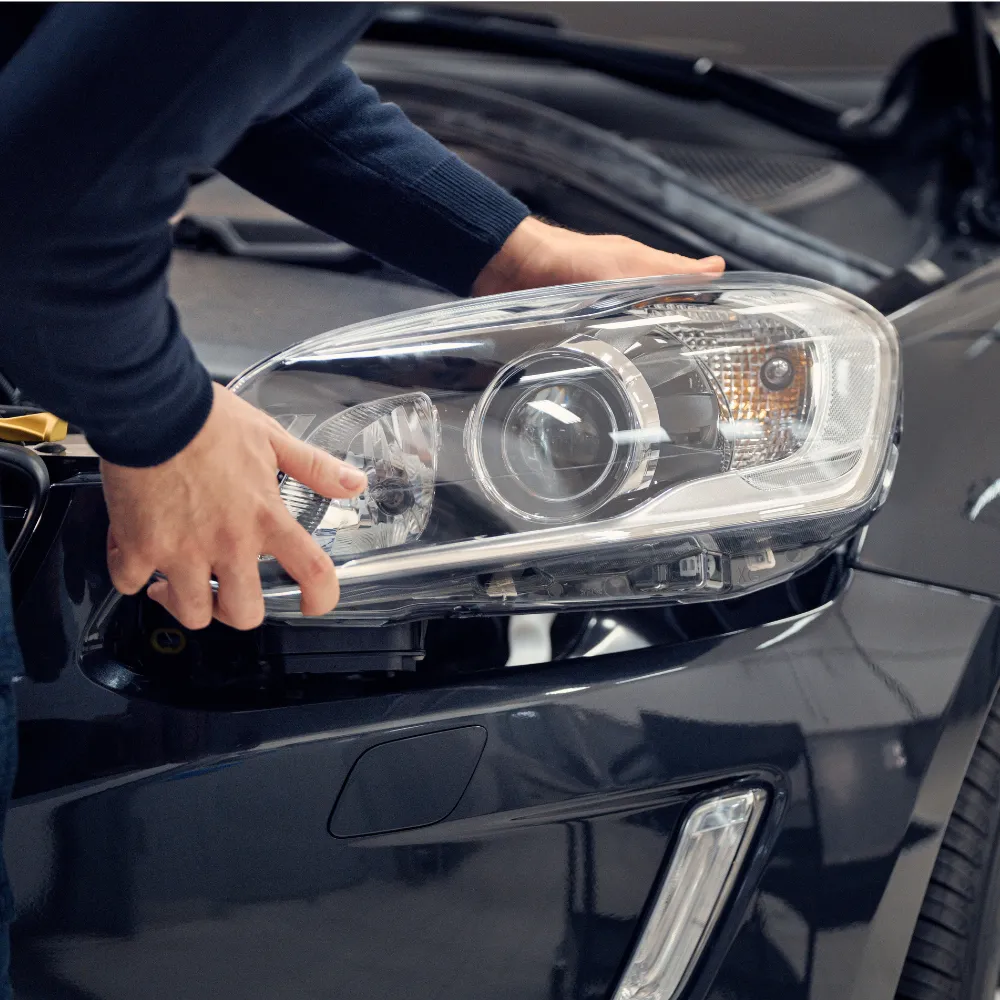
As fall temperatures drop across Connecticut, preparing your Volvo for colder weather becomes more important. Rain, frost, snow, and icy roads can affect your vehicle's performance, making regular maintenance an essential part of safe driving.
If you are searching for “Volvo dealers near me,” finding a dealership that offers professional service and access to quality replacement parts can help you prepare for the changing seasons. From battery inspections to tire maintenance, taking care of your Volvo before winter can help prevent unexpected problems.
At Gengras Volvo Cars East Hartford, drivers in East Hartford, CT, and surrounding communities can inquire about Volvo maintenance, service appointments, and parts support. This guide explains the most important fall maintenance tasks, the benefits of genuine Volvo parts, and how to prepare your vehicle for colder weather.
Why Fall Maintenance Matters for Your Volvo
Connecticut winters can bring freezing temperatures, snowfall, and slippery roads. These conditions place additional demands on your vehicle's battery, tires, brakes, and heating system.
Completing routine maintenance during October gives you time to identify potential problems before winter arrives. It can also help improve reliability during daily commuting and holiday travel.
Benefits of Scheduling Volvo Service Before Winter
Preparing your Volvo for colder weather offers several advantages:
-
Improved reliability: Identify worn components before they cause problems.
-
Better traction: Check tires for proper pressure and tread depth.
-
Battery protection: Reduce the risk of cold-weather starting problems.
-
Clear visibility: Inspect windshield wipers, lights, and defrosters.
-
Vehicle comfort: Confirm heating and climate control systems work properly.
-
Long-term care: Follow recommended maintenance to protect vehicle performance.
Regular inspections can help your Volvo remain dependable throughout the colder months.
Seven Essential Volvo Maintenance Checks Before Winter
A complete fall maintenance checklist helps drivers focus on the vehicle systems most affected by colder temperatures. These seven checks are important for preparing your Volvo for Connecticut's winter conditions.
1. Inspect Your Volvo's Tires
Tires play an important role in traction, braking, and handling. As temperatures decrease, tire pressure can drop, making regular inspections necessary.
Check tire pressure using the recommendations on your vehicle's tire information label. Inspect tread depth and look for cracks, uneven wear, or visible damage.
Important tire maintenance tasks include:
-
Checking tire pressure
-
Measuring tread depth
-
Inspecting sidewalls
-
Looking for uneven wear
-
Reviewing tire rotation needs
-
Considering winter tires when appropriate
Winter tires may provide better traction in snow and cold conditions than all-season tires.
Ask a qualified technician which tire options are suitable for your Volvo and driving habits.
2. Test the Battery and Charging System
Cold weather can reduce battery performance and make starting more difficult. An aging battery may struggle during freezing temperatures.
A professional battery inspection can help determine whether the battery is holding a proper charge.
Watch for warning signs such as slow engine cranking, dim lights, or electrical problems.
For hybrid and electric Volvo vehicles, follow the manufacturer's guidance for high-voltage battery care. High-voltage components should only be serviced by qualified professionals.
3. Check the Braking System
Your Volvo's brakes are especially important when roads become wet or slippery. Worn brake pads, damaged rotors, or other problems can affect stopping performance.
Schedule a brake inspection if you notice unusual noises, vibrations, or changes in pedal response.
Common warning signs include:
-
Squealing or grinding sounds
-
Steering wheel vibration during braking
-
Longer stopping distances
-
A soft or unusual brake pedal
-
Brake warning lights
Addressing brake problems early can help prevent additional damage.
4. Inspect Fluids and Coolant
Vehicle fluids help protect important components during normal operation. Colder weather makes proper fluid levels and conditions especially important.
Ask a technician to inspect the coolant, engine oil where applicable, brake fluid, and windshield washer fluid.
Coolant should meet Volvo's specifications for your vehicle. Using the wrong fluid may affect performance or damage components.
Choose windshield washer fluid designed for freezing temperatures to help maintain visibility.
5. Replace Worn Windshield Wipers
Rain, snow, and road salt can make it difficult to see clearly. Windshield wipers should remove moisture without leaving heavy streaks.
Inspect the blades for cracks, splitting, or worn rubber.
If your wipers skip across the windshield or leave streaks, replacement may be necessary.
Also check that the washer system operates correctly before freezing weather arrives.
6. Test Heating and Defrosting Systems
A working heating system helps keep passengers comfortable during cold mornings. The defroster also plays an important role in maintaining clear windows.
Test the heater, front windshield defroster, and rear window defogger.
If airflow is weak or windows take too long to clear, schedule an inspection.
Depending on the model, your Volvo may also offer heated seats or a heated steering wheel. Test these features before winter.
7. Inspect Lights and Safety Systems
Shorter fall days mean drivers spend more time traveling in darkness. Properly working headlights, brake lights, and turn signals are essential for visibility.
Check all exterior lights and replace damaged bulbs or components when needed.
Also review dashboard warning messages and available driver assistance systems.
Remember that safety technology supports attentive driving but does not replace careful driving habits.
Why Genuine Volvo Parts Matter
When replacing vehicle components, choosing parts designed for your Volvo can help maintain proper fit and performance. Genuine Volvo parts are made to meet the manufacturer's requirements for specific vehicles.
Using suitable replacement parts is especially important for safety-related systems and complex electronic components.
Benefits of Genuine Volvo Parts
Genuine Volvo parts may offer several advantages:
-
Proper fit: Components are designed for compatible Volvo models.
-
Quality standards: Parts are manufactured to Volvo's specifications.
-
System compatibility: Correct components help support vehicle operation.
-
Performance: Suitable parts help maintain intended vehicle functions.
-
Warranty options: Certain parts may include applicable warranty coverage.
Ask Gengras Volvo Cars East Hartford about genuine Volvo parts availability and compatibility with your vehicle.
Common Volvo Parts That May Need Replacement
Some components experience normal wear over time.
These may include:
-
Windshield wiper blades
-
Engine and cabin air filters
-
Brake pads and rotors
-
Tires
-
Batteries
-
Spark plugs on applicable models
-
Exterior lighting components
Replacement intervals depend on your Volvo's model, age, mileage, and maintenance schedule.
Step-by-Step Guide to Scheduling Fall Volvo Service
Preparing for winter does not need to be complicated. Following a clear maintenance plan can help you address important vehicle needs before temperatures drop.
Step 1: Review Your Volvo's Maintenance Schedule
Start by checking your owner's manual or vehicle maintenance information. Look for recommended service intervals based on mileage and time.
Make a note of any upcoming inspections or maintenance tasks.
Step 2: Identify Warning Signs
Pay attention to unusual noises, dashboard warnings, fluid leaks, or changes in vehicle performance.
Write down any concerns so you can explain them clearly when scheduling service.
Step 3: Find a Volvo Service Provider
If you are searching for “Volvo dealers near me,” look for a dealership that can help with Volvo maintenance and compatible replacement parts.
Drivers in East Hartford, CT, can contact Gengras Volvo Cars East Hartford to ask about available service and parts support.
Confirm the services offered and appointment availability before visiting.
Step 4: Schedule a Fall Maintenance Appointment
Contact the dealership to discuss your vehicle's model, year, mileage, and maintenance needs.
Ask whether a seasonal inspection or specific service appointment is appropriate.
Step 5: Request a Complete Vehicle Inspection
Discuss the following items with your service advisor:
-
Tire condition and pressure
-
Brake system
-
Battery performance
-
Coolant and other fluids
-
Windshield wipers
-
Heating and defrosting systems
-
Exterior lighting
Ask about any additional maintenance recommended for your specific Volvo.
Step 6: Review Repair Recommendations
If an inspection identifies worn components, request an explanation of the recommended work.
Ask for an estimate that includes parts, labor, and applicable fees.
Review which repairs need immediate attention and which services can be planned for later.
Step 7: Keep Your Service Records
Save invoices and maintenance records after each appointment.
A complete service history can help you track repairs, follow maintenance schedules, and provide useful information when selling or trading in your vehicle.
Special Winter Care for Electric and Plug-In Hybrid Volvo Vehicles
Electric and plug-in hybrid Volvo vehicles have different maintenance needs from traditional gasoline-powered models. Cold weather can also affect battery efficiency and electric driving range.
Understanding these differences can help you prepare for winter travel.
Monitor Battery Range and Charging
Cold temperatures can reduce the available driving range of electric vehicles. Heating the cabin and battery may require additional energy.
Plan charging stops carefully during longer winter trips.
If your vehicle supports scheduled preconditioning, using it while plugged in may help improve comfort and reduce energy use after departure.
Follow Volvo's Battery Care Recommendations
High-voltage battery systems require specialized knowledge and equipment.
Follow the guidance in your owner's manual and contact qualified Volvo service professionals when maintenance is needed.
Never attempt to repair high-voltage battery components yourself.
Additional Tips for Safe Volvo Winter Driving
Even a well-maintained vehicle requires careful driving during winter. Snow, ice, and freezing rain can reduce traction and increase stopping distances.
Follow These Winter Driving Tips
-
Reduce your speed when roads are slippery.
-
Leave extra distance between vehicles.
-
Avoid sudden braking or sharp steering.
-
Clear snow and ice from all windows and lights.
-
Check weather conditions before longer trips.
-
Keep your fuel level or battery charge appropriate for your journey.
-
Carry basic emergency supplies.
Consider keeping a flashlight, warm clothing, drinking water, and a portable phone charger in your vehicle.
Why Choose Gengras Volvo Cars East Hartford?
Finding a dealership familiar with Volvo vehicles can make seasonal maintenance easier. Gengras Volvo Cars East Hartford serves drivers in East Hartford, CT, and surrounding Connecticut communities.
Volvo owners can contact the dealership to inquire about maintenance appointments, vehicle inspections, and genuine Volvo parts.
Whether you drive an XC40, XC60, XC90, or another Volvo model, asking about model-specific service recommendations can help you prepare for colder weather.
Frequently Asked Questions About Volvo Service and Parts
1. Where can I find Volvo dealers near me for winter maintenance?
Drivers searching for “Volvo dealers near me” can consider Gengras Volvo Cars East Hartford in Connecticut. Contact the dealership to ask about available maintenance services, parts support, and appointment scheduling.
2. How often should I service my Volvo?
Service intervals depend on the model, year, powertrain, and driving conditions. Follow the maintenance schedule in your owner's manual and address warning messages promptly.
3. Does my Volvo need winter tires in Connecticut?
Winter tires may provide better traction in cold temperatures, snow, and ice. Ask a qualified technician whether winter tires are appropriate for your vehicle and driving conditions.
4. Why is my Volvo battery weaker in cold weather?
Cold temperatures can reduce the performance of conventional 12-volt batteries. If your vehicle starts slowly or shows electrical warning signs, schedule a battery inspection.
5. Are genuine Volvo parts better for my vehicle?
Genuine Volvo parts are designed to meet manufacturer specifications for compatible vehicles. Ask about correct part selection, availability, and warranty coverage.
6. Can a Volvo dealership service electric and plug-in hybrid models?
Volvo service providers with the appropriate training and equipment can perform maintenance on supported electrified models. Contact Gengras Volvo Cars East Hartford to confirm service availability for your specific vehicle.
Prepare Your Volvo for Winter With Gengras Volvo Cars East Hartford
Fall maintenance is an important part of keeping your Volvo ready for Connecticut's colder weather. Checking tires, brakes, batteries, fluids, and heating systems can help reduce the risk of unexpected problems during winter.
Using compatible replacement parts and following the recommended maintenance schedule can also help protect your vehicle's performance. Preparing early gives you more time to address worn components before freezing temperatures arrive.
If you are searching for “Volvo dealers near me,” consider Gengras Volvo Cars East Hartford for information about Volvo maintenance and parts support in the East Hartford area.
Contact Gengras Volvo Cars East Hartford today to ask about available service appointments, genuine Volvo parts, and seasonal maintenance options. Get your Volvo ready for the colder months and enjoy greater confidence on Connecticut roads.