
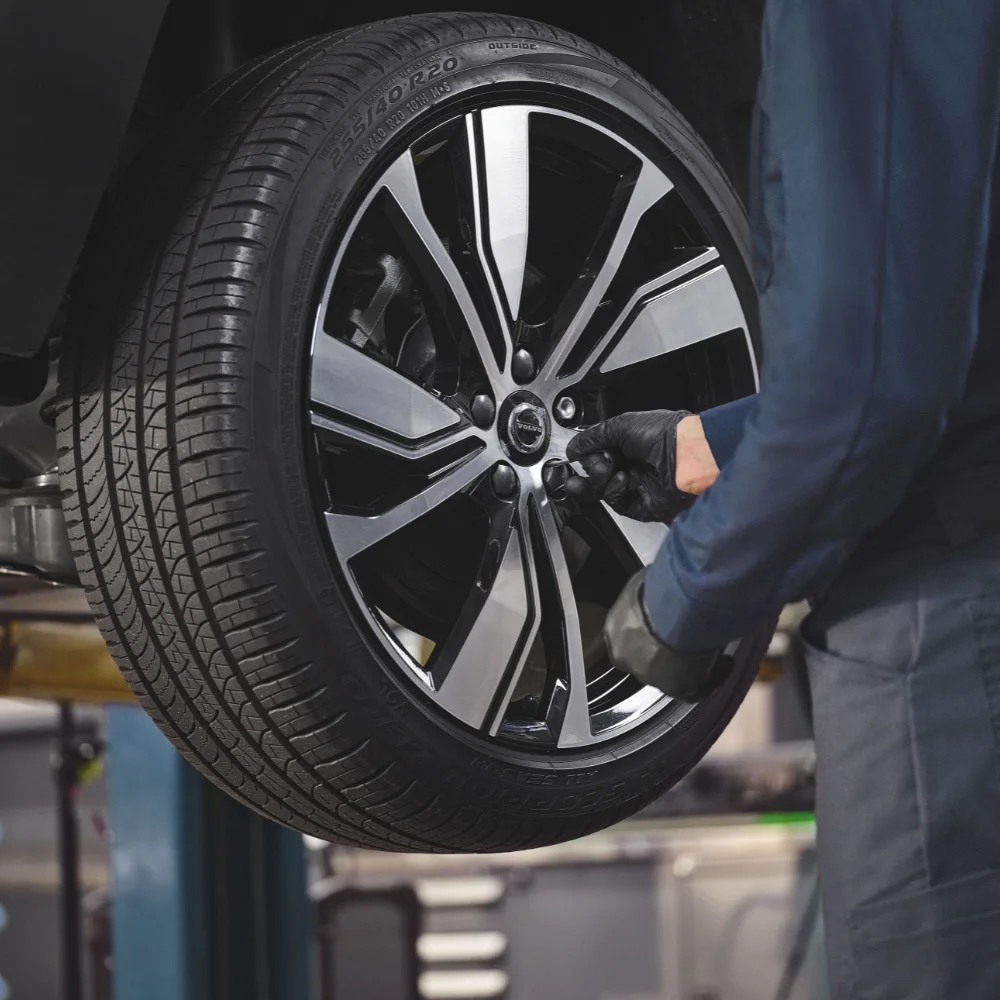
Wheel alignment helps your Volvo drive straight, handle smoothly, and wear tires evenly. It may not be the most exciting service, but it can save you money and improve safety.
If you are searching for Volvo Alignment Service West Hartford, this guide explains when alignment is usually needed and why it matters. You will also learn what signs to watch for and what happens during a professional alignment.
What a Wheel Alignment Does
A wheel alignment adjusts the angles of your wheels so they match Volvo specifications. These angles help the tires contact the road the right way. When alignment is correct, your Volvo feels stable and predictable. When alignment is off, you may notice pulling, shaking, or uneven tire wear.
Why Alignment Matters for Volvo Drivers
Volvo vehicles are built for smooth handling and strong safety systems. Alignment supports steering control, braking stability, and tire grip. It also protects your tires. Tires are expensive, and poor alignment can shorten their life quickly.
When a Volvo Typically Needs Wheel Alignment
There is no one perfect schedule for every driver. But there are common times when alignment service makes sense.
Use the guidelines below as a simple plan.
After Hitting a Pothole or Curb
Connecticut roads can be rough, especially after winter. A hard pothole hit can knock alignment out of spec. Even if the car feels fine, tire wear can start right away. A quick check can prevent higher costs later.
After Tire Replacement
New tires are a big investment. An alignment helps protect that investment by keeping wear even. Many drivers align the wheels when installing new tires. It helps the tires last longer.
After Suspension or Steering Repairs
Any time suspension parts are replaced, alignment should be checked. Parts like tie rods, control arms, and struts affect wheel angles. If these parts change, alignment often changes too. Aligning afterward helps handling feel correct again.
If You Notice Handling Changes
Alignment is often needed when the car no longer drives straight. Even small changes can be a clue. If the steering feels different, do not ignore it. Small issues become bigger over time.
How Often Should You Get an Alignment?
Many drivers choose an alignment check once a year. Others do it every 12,000 miles, especially if they drive a lot. If you drive on rough roads or hit potholes often, you may need it more frequently. A service advisor can help you choose a plan based on your driving.
Warning Signs Your Volvo Needs an Alignment
Your Volvo usually gives clear hints when alignment is off. These signs are easy to miss if you are busy.
Watch for the symptoms below.
Common Alignment Symptoms
- Vehicle pulls left or right on a straight road
- The steering wheel is off-center when driving straight
- Uneven tire wear, especially on edges
- Steering feels loose or unstable
- Vibrations at certain speeds
- Tires squeal during normal turns
Why Alignment Gets Worse Over Time
Alignment can drift slowly as parts wear. Rubber bushings, suspension joints, and tires all change with mileage. Road impacts speed up this process. Potholes, curb hits, and rough roads are common causes.
Step-by-Step: How to Check for Alignment Problems at Home
You cannot measure alignment angles at home, but you can spot early signs. These checks take only a few minutes.
Use them once a month or before long trips.
Step 1: Look at the Steering Wheel While Driving Straight
On a flat road, your steering wheel should sit close to the center. If it is tilted, alignment may be off. Make sure the road is not sloped. Sloped roads can cause mild pulling.
Step 2: Notice Pulling or Drifting
If the car drifts without you turning the wheel, that can be an alignment. It can also be tire pressure. Check tire pressure first. If pressure is correct and the pull remains, schedule an alignment check.
Step 3: Check Tire Wear Patterns
Look at the inside and outside edges of your tires. Uneven wear on one edge is a common alignment sign. If the wear looks uneven, do not wait. Uneven wear can destroy tires faster than most people expect.
Step 4: Listen for Tire Noise in Turns
Squealing during normal turns can point to alignment or worn suspension parts. It may also happen with low tire pressure. If the sound repeats, have it inspected. It is better to check early.
What Happens During a Professional Volvo Wheel Alignment
A professional alignment uses precise equipment. The goal is to set wheel angles to Volvo specs.
This helps protect tires and improve handling.
Typical Alignment Steps
- Technician checks tire pressure and tire condition.
- The vehicle is placed on an alignment rack.
- Sensors measure wheel angles.
- The technician adjusts toe, camber, and caster as needed.
- The vehicle is rechecked to confirm specs are correct.
How Alignment Impacts Tire Life and Fuel Economy
Misalignment can wear tires unevenly. That can force early tire replacement. It can also increase rolling resistance. When tires drag, fuel economy can drop.
Why Alignment Supports Safety Systems
Modern Volvos use driver-assist and stability systems. These systems work best when the car tracks straight and tires grip evenly. Proper alignment supports braking and traction control behavior. It also helps steering feel consistent during emergency moves.
Step-by-Step: The Best Time to Schedule Alignment Service
Timing alignment service is simple if you follow a basic routine. This helps you avoid surprise tire costs.
Use this plan as a guide.
Step 1: Schedule Alignment With New Tires
If you are buying new tires, align the wheels at the same time. This protects your new tread. It also helps the tires wear evenly from the start.
Step 2: Schedule Alignment After Winter
Winter potholes can throw alignment off. A spring alignment check is a smart habit in Connecticut. It helps you catch issues before summer road trips.
Step 3: Schedule Alignment After Any Suspension Work
If you replace struts, control arms, or steering parts, get alignment checked. Even small part changes can shift wheel angles. This helps the car handle correctly again.
Step 4: Don’t Wait if Symptoms Show Up
If the vehicle pulls or tires wear unevenly, schedule service soon. Waiting can ruin tires quickly. Early checks are usually cheaper than replacing tires early.
Why Many Drivers Choose Gengras Volvo Cars East Hartford
Volvo alignment service should follow Volvo specifications and proper procedures. A Volvo-focused team can help ensure the alignment matches how your vehicle was designed to drive.
If you are searching for Volvo Alignment Service West Hartford, Gengras Volvo Cars East Hartford can help with alignment checks, tire wear concerns, and related suspension inspections. The goal is smooth handling, safer driving, and longer tire life.
FAQs About Volvo Wheel Alignment
How do I know if my Volvo needs an alignment?
Pulling, off-center steering, and uneven tire wear are common signs. Vibrations and tire squeal can also happen. If you notice these symptoms, schedule an inspection. Catching it early helps save tires.
How often should I get a wheel alignment?
Many drivers do it once a year or around every 12,000 miles. Rough roads and potholes can require more frequent checks. If you drive in areas with many potholes, consider checking more often. A service advisor can recommend a schedule.
Does an alignment include balancing?
Alignment and balancing are different services. Alignment adjusts wheel angles, while balancing corrects weight distribution in the tire and wheel. Some shops offer packages. Ask what is included before you book.
Can bad alignment ruin my tires?
Yes, misalignment can wear tires unevenly and quickly. One edge can wear down long before the rest of the tire. That can force early replacement. Alignment protects your tire investment.
Should I align the wheels after replacing tires?
Yes, it is a smart move. New tires last longer when alignment is correct. It also helps the vehicle handle better right away.
What if my Volvo still pulls after an alignment?
Pulling can come from tire issues, tire pressure, or suspension wear. Sometimes tires have wear patterns that cause drift. A shop can recheck alignment and inspect tires. They can also check for worn steering parts.
Final Thoughts: Alignment Is a Simple Service That Protects Your Volvo
Wheel alignment helps your Volvo drive straight and protects your tires. It also supports safe handling and stable braking.
If you need Volvo Alignment Service West Hartford, focus on a provider that uses proper equipment and checks for related wear. With regular alignment checks, you can improve comfort, extend tire life, and keep your Volvo driving the way it should.
Categories:
Social