
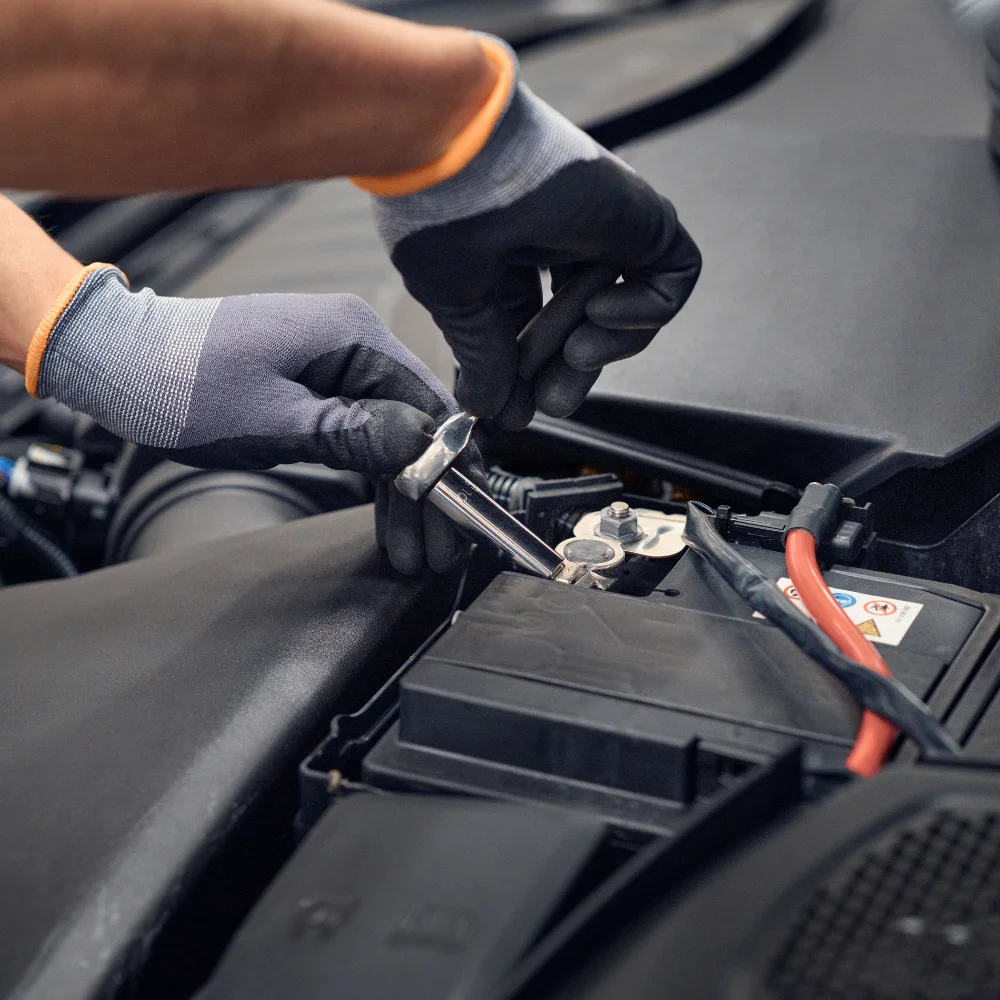
Volvo vehicles are known for safety, comfort, and smart design. To keep a Volvo running its best, engine care needs to be handled the right way.
If you are searching for Volvo Engine Repair Near Hartford CT, it helps to understand what engine repair work usually includes. This guide explains common services, key engine components, and how a professional shop finds the real cause of a problem.
Why Volvo Engine Repairs Need a Careful Approach
Volvo engines are built with advanced parts and tight tolerances. Many models also use turbocharging and complex sensors. That means the right diagnosis matters. Replacing parts without testing can waste money and still not fix the real issue.
What “Engine Repair” Can Mean
Engine repair can be small or major. Some repairs involve simple replacement parts, while others require deeper labor. A good service team will explain the repair level. They should also tell you what caused the problem.
Common Types of Engine Repair
- Fixing leaks and worn seals
- Replacing sensors or ignition parts
- Repairing cooling system faults
- Addressing misfires and rough running
- Handling timing and turbo-related issues
Most Common Symptoms That Lead to Engine Repair
Many engine issues start with small signs. Catching them early can prevent more damage.
Here are common reasons Volvo drivers schedule engine service.
Warning Signs to Watch For
- Check Engine light or warning messages
- Rough idle, shaking, or misfires
- Loss of power or slow acceleration
- Overheating or a coolant smell
- Oil leaks under the vehicle
- Whistling sounds from the engine area
- Higher fuel use than normal
Professional Services Often Included in Volvo Engine Repair
Volvo engine repair usually begins with inspection and testing. The goal is to confirm the root cause before replacing parts.
Below are common service steps many shops use.
Diagnostic Testing and Inspection
- Scan for trouble codes and system data
- Review live sensor readings
- Perform smoke testing for air leaks
- Check fuel and ignition performance
- Inspect hoses, belts, and connections
Diagnostics are the “map” for the repair. They help make sure the fix is accurate.
Common Engine Components That Get Repaired or Replaced
Engine repairs often involve a mix of parts. Some are mechanical, and others are electronic.
Here are the parts most often involved in typical Volvo engine repair work.
1) Spark Plugs and Ignition Coils
Misfires are a common reason for engine lights. Spark plugs and coils help ignite fuel in the engine. When these parts wear, you may feel shaking or reduced power. Replacing them can restore smooth driving.
2) Sensors and Control Components
Volvo engines use many sensors to control fuel and air. If a sensor fails, the engine may run poorly. Common examples include oxygen sensors, mass airflow sensors, and temperature sensors. Accurate testing helps confirm which one is failing.
3) Air Intake and Vacuum System Parts
Air leaks can confuse the engine computer. This can lead to rough idle and warning lights. Repair work may include hoses, clamps, intake seals, or related parts. Smoke tests often help find these leaks.
4) Fuel System Parts
Fuel delivery issues can cause hard starts or poor acceleration. Some repairs involve fuel injectors, fuel pumps, or fuel pressure components. A professional diagnosis checks pressure and performance first. That prevents replacing parts by guesswork.
5) Cooling System Components
Overheating is a serious engine risk. Cooling repairs may include hoses, thermostats, water pumps, or radiators. Coolant leaks should be fixed quickly. Heat can damage gaskets and engine internals.
6) Engine Seals and Gaskets
Oil leaks are common as vehicles age. Repairs may involve valve cover gaskets, oil pan seals, or other gasket points. Fixing leaks helps protect engine parts. It also helps prevent oil loss and burning smells.
7) Turbocharger Components (On Turbo Models)
Many Volvos use turbocharging for power and efficiency. Turbo systems include boost hoses, control valves, and related sensors. Turbo issues can cause whistling, power loss, and warning lights. Testing boost and air flow helps identify the cause.
8) Timing Components (When Needed)
Some engine repairs involve timing systems. Timing parts control when engine valves open and close. If timing is off, the engine can run poorly or fail to start. Timing work is usually a more advanced repair.
Step-by-Step: How a Shop Diagnoses Volvo Engine Problems
A good shop follows a process, not guesses. This keeps repairs accurate and cost-effective.
Here is a simple look at what that process often includes.
Step 1: Confirm the Customer’s Concern
The technician listens to symptoms and asks questions. They may ask when the problem happens and how long it has been going on. This helps narrow the possible causes. Details matter.
Step 2: Scan for Codes and Review Data
Next, they scan the vehicle for codes. They also review freeze-frame data and live sensor readings. This step points to affected systems. It does not always name the exact failed part.
Step 3: Perform Targeted Tests
Now the technician tests the most likely causes. This might include smoke testing, ignition testing, fuel pressure testing, or cooling pressure testing. Testing confirms the real issue. It also reduces wasted repairs.
Step 4: Inspect Related Parts
The technician checks nearby parts that could cause the same symptom. For example, a misfire could be a plug, coil, injector, or air leak. This step helps avoid repeat visits. It also supports a complete repair plan.
Step 5: Provide a Repair Plan and Priority List
A clear shop will explain findings in plain English. They should provide a written estimate and a priority list. This helps you decide what to fix now and what can wait. It also protects your budget.
Step-by-Step: How to Protect Your Volvo Engine Long Term
Many engine repairs can be prevented with consistent maintenance. A simple routine helps your Volvo stay reliable.
Use this plan as a guide.
Step 1: Follow Oil Change Intervals
Clean oil protects internal engine parts. It also helps turbo systems stay healthy. If you drive short trips often, consider more frequent service. Short trips can be harder on oil.
Step 2: Fix Small Leaks Early
Small oil or coolant leaks can grow quickly. Waiting too long can lead to bigger repairs. If you smell burning or see spots on the driveway, schedule an inspection.
Step 3: Don’t Ignore Warning Lights
Warning lights are early alerts. Driving too long with a Check Engine light can cause more damage. A quick scan and inspection can save money. It also reduces stress.
Step 4: Keep the Cooling System Healthy
Overheating is one of the fastest ways to damage an engine. Coolant checks and hose inspections matter. If the temperature rises or the coolant smells sweet, stop and get it checked.
Why Many Drivers Choose Gengras Volvo Cars East Hartford
Volvo engines require accurate testing and the right repair process. A Volvo-focused service team can help ensure repairs match the vehicle’s needs.
If you are looking for Volvo Engine Repair Near Hartford CT, Gengras Volvo Cars East Hartford can help with diagnostics, engine-related repairs, and maintenance support. The goal is clear answers, quality work, and a repair plan you can trust.
FAQs About Volvo Engine Repair Near Hartford, CT
What is the most common reason a Volvo needs engine repair?
Common causes include misfires, oil leaks, and cooling system issues. Turbo-related concerns can also appear on certain models. The best first step is proper diagnostics. A scan and testing help confirm the true cause.
Is it safe to drive with a Check Engine light on?
It depends on the problem. Some issues are minor, but others can cause damage if ignored. If the light is flashing, stop driving and get help. A flashing light often signals a serious misfire risk.
Why does my Volvo engine idle rough?
Rough idle can come from misfires, air leaks, fuel issues, or sensor faults. It can also happen when spark plugs are worn. A diagnostic scan and targeted tests can identify the cause. Avoid replacing parts without confirmation.
What causes Volvo oil leaks?
Common leak points include gaskets and seals that wear over time. Valve cover gaskets are one example. Fixing leaks early helps protect the engine. It also prevents the smell and smoke.
How long do Volvo engine repairs usually take?
Timing depends on the problem and parts availability. Simple repairs can be quick, while deeper work takes longer. A service advisor should explain the timeline. Ask for updates and a clear plan.
Can engine repairs be prevented?
Many can be reduced with routine maintenance. Oil service, coolant care, and early inspections help a lot. Catching warning signs early is key. Small issues are often cheaper to fix.
Final Thoughts: Engine Repairs Are Easier With the Right Process
Volvo engine repair work can involve many parts, from ignition components to cooling and turbo systems. The most important step is accurate diagnosis before replacing anything.
If you need Volvo Engine Repair Near Hartford CT, choose a team that follows a clear testing process and explains repairs in simple terms. With the right care, your Volvo can stay smooth, dependable, and ready for the road ahead.
Categories:
Social