
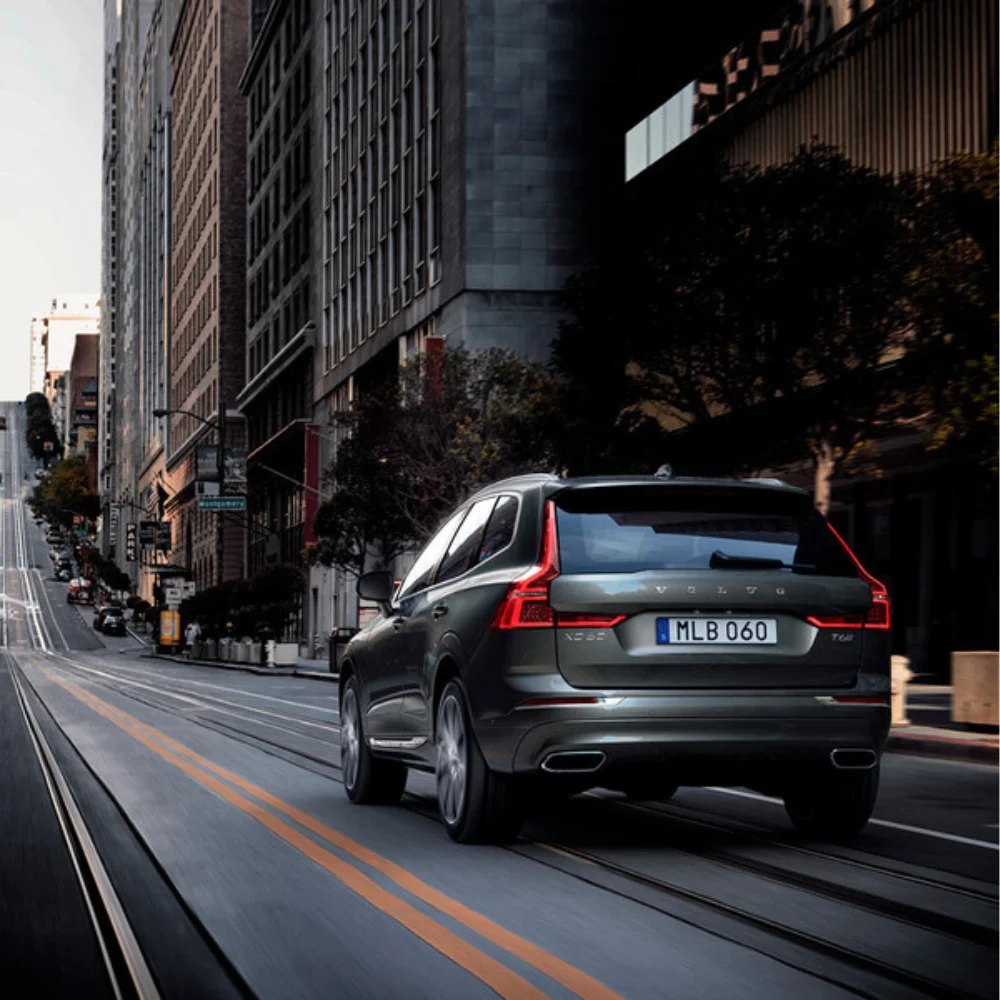
Cold mornings arrive quickly in Connecticut. One day your commute feels normal, and the next day range drops and fast charging slows down.
Your Volvo Recharge can handle winter well with a few simple habits. Use these November tips to keep charge speeds steady, the cabin warm, and efficiency high.
Why Cold Affects EVs
Batteries like moderate temperatures. In the cold, the chemical reactions slow down, which reduces charging speed and available range.
Heating the cabin also uses energy. Smart preheating and route planning help you save miles without sacrificing comfort.
November To-Do List: Quick Wins
-
Update software. New updates can improve charging logic and efficiency.
-
Check tires. Proper pressure and winter-ready tread keep rolling resistance low and grip high.
-
Set up preconditioning. Warm the battery and cabin before you drive, ideally while plugged in.
-
Clean sensors and cameras. Frost and slush can block driver-assist features.
Charge Rates in the Cold: What to Expect
Fast charging slows when the battery is cold. Your Volvo will protect the pack by limiting power until it warms up.
Plan a bit more time for DC fast charging on cold mornings. After driving 20–30 minutes, the battery is warmer and usually accepts faster rates.
Battery Warmth Basics
A warm battery charges faster and delivers more power. You can help by preconditioning through the app or the car’s schedule.
Driving also produces gentle heat in the pack. A short highway segment before a charging stop can speed up the session.
Preconditioning: Your Best Winter Tool
Preconditioning warms the cabin and battery before you leave. It’s the easiest way to keep range strong in cold weather.
Turn it on while the car is still plugged in. That way, grid power—not the battery—does most of the heating.
Step-by-Step: Set a Scheduled Departure
-
Open the Volvo app or use the center display.
-
Choose “Scheduled Departure.” Pick your weekday time (e.g., 7:30 a.m.).
-
Enable preconditioning and “charge to finish by departure.”
-
Leave the cable plugged in overnight so the car can heat from wall power.
-
Test it once the next morning and adjust the time if needed.
Step-by-Step: Warm the Car Quickly (Ad-Hoc)
-
Start preheat from the app 10–20 minutes before leaving.
-
Turn on seat and wheel heaters instead of blasting cabin heat.
-
Clear windows with defrost and brush off ice.
-
Drive gently for the first miles while systems warm.
Save Energy Without Feeling Cold
Small choices make a big difference on winter mornings.
-
Use seat and steering-wheel heat first. They use less energy than cabin heat.
-
Pick “Eco/Comfort” climate. Avoid max heat unless windows are fogged.
-
Recirculate air after the glass is clear to maintain warmth.
Regenerative Braking in Cold Weather
When the battery is cold, regen may be reduced. You might feel less deceleration than usual at first.
As the pack warms, regen returns. Leave extra following distance until it does.
Tires & Traction: Efficiency Meets Safety
Cold air lowers pressure about 1–2 PSI per 10°F drop. Low pressure hurts range and traction.
Check PSI monthly and before long drives. Consider winter or all-weather 3PMSF tires when temps sit near 44°F (7°C) or below.
Charging Strategy for November & December Trips
-
Start with a warm battery. Precondition before leaving.
-
Plan first charge after driving. Aim to arrive at the fast charger with 10–30% state of charge; the pack will be warmer.
-
Shorter, smarter stops. Two brief fast-charge sessions can be quicker than one long, cold session.
-
Avoid 100% on road trips. Tapering near full takes time; charge to what you need plus a buffer.
Home Charging Tips for Cold Nights
-
Use Level 2 (240V) if available for faster, warmer top-offs.
-
Finish charging near departure. Warm cells accept charge better and start your drive efficiently.
-
Keep plugged in. The car can maintain battery temperature using wall power.
Step-by-Step: “Finish by Departure” Charging
-
Set your departure time in the app or center screen.
-
Choose charge limit (often 80–90% for daily use).
-
Enable “Finish by” so the last part of charging happens right before you leave.
-
Confirm climate preconditioning is on.
-
Check next morning that charging ended close to your departure time.
Heat Pumps, Resistive Heat & What It Means
Some Volvo Recharge models use a heat pump, which warms the cabin using less energy. Others rely more on resistive heat.
Either way, preheating while plugged in lowers battery drain. Cabin comfort stays high without a big hit to range.
Cabin Fog & Frost: Quick Fixes
-
Use front and rear defrost at the start, then switch to moderate heat.
-
Keep the cabin dry. Shake off snow from mats and boots.
-
Crack a window briefly after you get in to release moisture, then close once glass is clear.
Cold-Weather Storage & Short-Trip Advice
Short trips can drain the battery without enough driving to warm it. Combine errands when possible.
If the vehicle sits for days in very cold weather, keep it plugged in. The car can maintain battery health and be ready when you are.
Step-by-Step: Fast-Charge Like a Pro in Winter
-
Drive first for 20–40 minutes to warm the pack.
-
Arrive low (10–30% SOC) for best speeds.
-
Start charging, watch the initial rate, and warm the cabin modestly.
-
Unplug earlier (e.g., 60–80%) if the next charger is close—avoid slow taper.
-
Resume your trip and repeat with one more short stop if needed.
Safety & Visibility Checks (5 Minutes)
-
Lights: Headlights, fog lights, and brake lights clean and bright.
-
Wipers: Replace if they chatter or streak.
-
Cameras & sensors: Wipe clear each morning.
-
Emergency kit: Gloves, blanket, flashlight, scraper, and portable inflator.
Common Mistakes to Avoid
-
Relying on long idling. Precondition instead—faster and more efficient.
-
Skipping tire pressure checks. Low PSI steals range and grip.
-
Charging to 100% daily. Save 100% for trips; 80–90% is better for routine use.
-
Waiting for the first storm to install winter tires. Cold pavement comes first.
When to Book Service in November
-
You notice reduced DC fast-charge rates even after preconditioning.
-
HVAC heat feels weak or windows fog often.
-
TPMS alerts won’t clear after correcting pressure.
-
Range drops sharply compared with last winter.
A quick inspection can fix small issues before deep winter arrives.
Visit Gengras Volvo of East Hartford
Get ahead of the cold with a winter readiness check. We’ll review charging settings, test your battery health, inspect tires, and set up scheduled departures so mornings are easy.
Shopping for a safe winter ride? If you’ve been searching for certified pre-owned Volvo near me, our team will help you compare Recharge models, winter tire packages, and home charging options that fit your commute.
FAQs
Why does my fast charging slow down in the cold?
The battery protects itself by limiting power until it warms up. Preconditioning and arriving with a warm pack helps speed improve.
How long should I preheat?
About 10–20 minutes is enough for most November mornings. Start earlier on very cold days.
Should I always keep my EV plugged in at home?
Yes, especially in cold weather. The car can maintain temperature and finish charging close to departure.
What daily charge limit is best in winter?
For most drivers, 80–90% works well. Use 100% for long trips, not every day.
Do I need winter tires if I have AWD?
Winter or all-weather 3PMSF tires improve stopping and steering on cold pavement. They’re a major safety upgrade in CT winters.
Why does regen feel weaker in the morning?
Cold batteries limit regen until they warm up. It returns as the pack reaches operating temperature.
Will using seat heaters save range?
Yes. Seat and wheel heaters use less energy than heating the entire cabin.
Is preconditioning different on PHEV vs. BEV?
Both benefit, but BEVs gain the most in range and charge speed. PHEVs also start smoother with a warm pack and cabin.
Final Takeaway
Winter doesn’t have to steal your range—or your time. Precondition while plugged in, plan fast-charge stops after a warm-up drive, and keep tires and software ready for the season.
With a few smart steps—and help from Gengras Volvo of East Hartford—your Volvo Recharge will start warm, charge faster, and deliver confident miles all winter long.